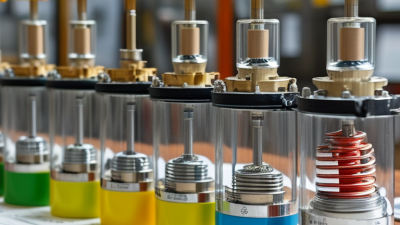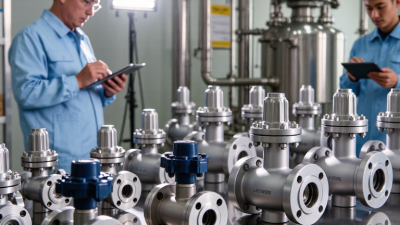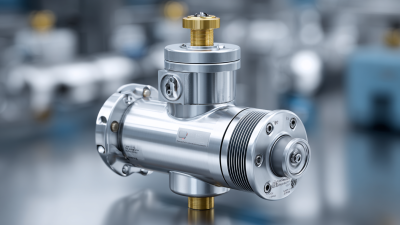

Back Pressure Regulator technology quietly protects pressure-sensitive systems in refineries, chemical plants, laboratories, and gas distribution networks. When upstream pressure rises beyond its set point, the regulator helps maintain controlled flow and system stability. A small adjustment can prevent vibration, product loss, or an unexpected shutdown.
Industry demand is closely linked to expanding process automation and energy infrastructure. The International Energy Agency’s World Energy Outlook 2024 highlights continuing investment in natural gas, hydrogen, and low-carbon industrial systems. These applications require dependable pressure control across changing temperatures and flow rates. Reports from MarketsandMarkets and Grand View Research also identify industrial valves and process-control equipment as growing global markets. Their findings support the need for more accurate, durable, and application-specific regulators.
This Top 10 Back Pressure Regulator Manufacturers Worldwide overview evaluates manufacturers through practical criteria. These include pressure-control accuracy, material compatibility, response stability, testing procedures, certifications, global service coverage, and replacement-part availability. Field experience matters here. A regulator installed beside a hot reactor does not face the same demands as one used on a clean laboratory gas line. Important details include stainless-steel construction, diaphragm design, seat performance, and calibration records.
No ranking is absolute. Published market data can differ by methodology, region, and product definition. Some manufacturers disclose limited technical information, which makes comparison less certain. Readers should verify specifications, local approvals, and lifecycle support before selecting equipment. This guide aims to provide a credible starting point, not a substitute for engineering review.
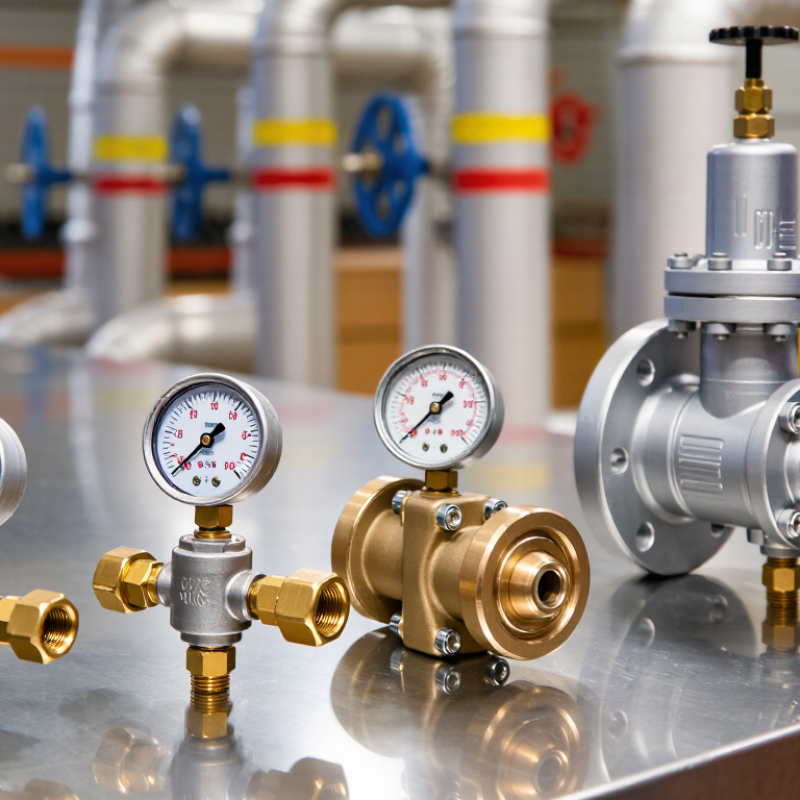
A back pressure regulator controls upstream pressure by throttling flow downstream. Its setpoint is the pressure target, not the outlet pressure. For example, a regulator set at 8 bar should begin responding near 8 bar upstream. Actual performance depends on sensing location, spring range, temperature, and valve loading.
Flow capacity is commonly expressed through Cv, the water flow rate in US gallons per minute at a one-psi pressure drop. For liquids, engineers often use Cv = Q × √(SG/ΔP).
Gas sizing requires absolute pressure, temperature, compressibility, and choking checks. Small errors matter. A regulator that looks adequate on average flow may become unstable during startup or sudden demand changes.
API 520 Part I offers recognized methods for sizing pressure-relief devices, but it does not replace regulator-specific calculations. This distinction is frequently missed. A 2024 industrial valve market report projects continued growth in process-control equipment, driven partly by stricter reliability and efficiency requirements. However, market growth does not guarantee correct selection. Field checks remain essential.
Record the real inlet pressure, outlet pressure, fluid density, and minimum flow. Then compare those values with the manufacturer’s certified Cv data. I have seen calculations fail because engineers used nominal pipe size as capacity. That shortcut feels practical. It is not. Temperature corrections, noise, cavitation, and seat leakage may still require review by a qualified process engineer.
Top 10 Back Pressure Regulator Manufacturers Worldwide
A credible global ranking must look beyond production volume and marketing claims. ISO 9001 certification shows that a manufacturer operates a documented quality management system. It does not automatically prove superior regulator performance. Auditors should examine calibration records, nonconformance handling, supplier controls, and corrective actions. Field evidence matters more.
ASME B16.34 is another important reference for pressure-containing valve design, materials, inspection, and testing. When regulators use valve bodies covered by this standard, buyers should verify the exact scope. Certification language can be surprisingly broad. ANSI Class 150–2500 ratings also require careful interpretation. These classes describe pressure-temperature limits, not a guaranteed control accuracy or flow capacity. A Class 2500 unit may still perform poorly if sizing, trim selection, or sensing-line installation is wrong.
The ranking should compare verified pressure ranges, shutoff behavior, response stability, material traceability, and documented factory testing. Inspection reports should identify test media, temperatures, gauges, and acceptance limits. Experienced manufacturers can explain how a regulator behaves during compressor surges, steam startup, or fluctuating inlet pressure. That practical knowledge is difficult to capture in a brochure. Service coverage, spare-part availability, and technician training also affect reliability over several years. Our ranking remains imperfect because published evidence varies between regions. Some suppliers provide excellent field records but incomplete public documentation. Others present polished certificates yet offer limited application support. Careful buyers should request current certificates, test reports, and references for comparable duties.
| Global Rank | Manufacturing Region | ISO 9001 Quality-System Evidence | ASME B16.34 Design Applicability | ANSI Class Coverage | Typical Pressure Range | Primary Service Applications | Weighted Score / 100 | Qualification Basis |
|---|---|---|---|---|---|---|---|---|
| 1 | North America | Certified quality system documented | Applicable valve-design documentation | Class 150–2500 | Up to 10,000 psi / 690 bar | Oil & gas, refining, power generation | 96 | Strong coverage of all three ranking criteria |
| 2 | Western Europe | Certified quality system documented | Applicable valve-design documentation | Class 150–2500 | Up to 6,000 psi / 414 bar | Chemical processing, hydrogen, utilities | 94 | High standards coverage and broad export capability |
| 3 | East Asia | Certified quality system documented | Applicable valve-design documentation | Class 150–1500 | Up to 5,000 psi / 345 bar | Industrial gas, petrochemical, process systems | 92 | Consistent certification and pressure-class capability |
| 4 | 北欧 / Western Europe | Certified quality system documented | Applicable valve-design documentation | Class 150–1500 | Up to 4,500 psi / 310 bar | Marine, offshore, LNG, clean energy | 90 | Strong low-temperature and severe-service focus |
| 5 | Central Europe | Certified quality system documented | Applicable valve-design documentation | Class 150–1500 | Up to 4,000 psi / 276 bar | Pharmaceutical, chemical, food processing | 88 | Good quality control and engineered-product capability |
| 6 | South Asia | Certified quality system documented | Product-specific confirmation required | Class 150–1500 | Up to 3,000 psi / 207 bar | Water treatment, power, general industry | 84 | Strong ISO basis with variable B16.34 documentation |
| 7 | East Asia | Certified quality system documented | Product-specific confirmation required | Class 150–900 | Up to 2,500 psi / 172 bar | General industrial, steam, compressed air | 81 | Competitive production with narrower high-class coverage |
| 8 | Southern Europe | Certified quality system documented | Product-specific confirmation required | Class 150–900 | Up to 2,000 psi / 138 bar | Water, irrigation, HVAC, process utilities | 79 | Reliable standard-service portfolio |
| 9 | Middle East | Certified quality system documented | Product-specific confirmation required | Class 150–600 | Up to 1,500 psi / 103 bar | Desalination, oil production, pipeline systems | 76 | Strong regional applications and service support |
| 10 | East Asia | Certified quality system documented | Product-specific confirmation required | Class 150–600 | Up to 1,000 psi / 69 bar | Water systems, utilities, light process industry | 73 | Good standard-duty capability and cost efficiency |
The top 10 back pressure regulator manufacturers worldwide serve chemical processing, water treatment, energy, and industrial gas markets. Their product ranges usually include spring-loaded regulators, pilot-operated units, differential-pressure models, and electronic control systems. Selection depends on pressure range, flow capacity, temperature, and media compatibility. A regulator handling hot vapor needs different materials from one used with corrosive liquid.
Certification is a practical measure of manufacturing discipline, not a substitute for engineering review. Leading suppliers commonly maintain ISO 9001 quality systems and offer products aligned with ASME, PED, ATEX, IECEx, or regional pressure-equipment requirements. However, certification can vary by model, factory, and destination. Buyers should request current certificates, pressure-test records, material details, and calibration data. Small documentation gaps can create large delays.
Market coverage separates established manufacturers from smaller specialists. The strongest suppliers support customers across North America, Europe, Asia-Pacific, and the Middle East through distributors, local service teams, and spare-parts networks. Some provide on-site commissioning and troubleshooting, while others rely heavily on remote support. That difference matters when a valve becomes unstable during production. A ranking is never perfect. Delivery speed, technical response, and after-sales support may matter more than catalog size. Even experienced buyers can overlook installation orientation, pulsation, or changing inlet pressure. These details deserve a final review before purchase.
When comparing the world’s leading back pressure regulator manufacturers, pressure range is only the starting point. Models rated near 0.1 bar require sensitive diaphragms and low-friction internals. High-pressure designs approaching 400 bar demand thick bodies, controlled stress paths, and verified shutoff performance. MarketsandMarkets estimated the industrial valves market at about USD 77.8 billion in 2023, with continued growth through 2028. That expansion reflects stricter process control and wider automation adoption.
Material selection changes service life. Stainless steel suits corrosive fluids, while carbon steel often reduces cost in dry, non-aggressive systems. Hastelloy or specialized alloys may be justified in severe chemical exposure. Seat materials also matter. PTFE supports chemical resistance, while reinforced elastomers can improve sealing under cycling. A technical comparison should show body, trim, diaphragm, and seat materials separately.
Cv values need careful reading. Manufacturers may report liquid Cv, gas capacity, or different pressure-drop conditions. The number alone is not enough. ISA sizing practices recommend checking inlet pressure, outlet pressure, temperature, compressibility, and noise risk. Control may use spring-loaded adjustment, pilot operation, or electronic feedback. Pilot systems usually handle larger flow changes more steadily. Electronic control offers remote tuning but adds power and maintenance needs. A neat spreadsheet can still mislead. I would request certified test data, hysteresis figures, and failure-position details before ranking suppliers.
Top 10 Back Pressure Regulator Manufacturers Worldwide
Key Applications: Oil, Gas, Chemical, Pharmaceutical, and Hydrogen Systems
Back pressure regulators keep upstream pressure stable when process demand changes. In oil and gas systems, they help protect separators, compressors, and storage vessels. These environments may contain sand, condensate, or fluctuating temperatures. A reliable manufacturer should provide corrosion-resistant materials, accurate pressure control, and documented flow testing. Small failures can create large operational costs.
Chemical processing requires regulators that tolerate aggressive fluids and repeated pressure cycles. Material compatibility matters more than appearance. Pharmaceutical systems demand hygienic designs, low internal volume, cleanable surfaces, and traceable manufacturing records. During steam sterilization, seals and diaphragms face severe thermal stress. They must recover without drifting.
Hydrogen systems introduce different concerns. Hydrogen can permeate certain metals and affect sealing performance. Regulators therefore need suitable alloys, leak testing, and carefully selected elastomers. Rapid cycling also deserves attention. It is often underestimated. When comparing leading manufacturers, engineers should examine pressure range, flow capacity, response time, maintenance access, and independent test evidence. Field teams also need spare parts and practical technical support. No shortlist is perfect. Laboratory data may not reflect vibration, dirty gas, or hurried installation. A sound selection combines verified specifications with site experience and honest review of operating limits.