Top 10 Tin Bar Casting Machine Manufacturers Worldwide
Choosing a reliable Tin Bar Casting Machine requires more than comparing glossy brochures. Manufacturers differ in mold design, cooling control, automation, output stability, and after-sales service. This guide introduces ten notable manufacturers worldwide and examines the practical factors behind their market reputation.
A dependable machine should handle molten tin consistently near its melting point of 232°C. It should also provide accurate temperature monitoring, controlled pouring, smooth bar extraction, and accessible maintenance points. Small details matter. A poorly aligned mold can create uneven bars, surface cracks, or excessive trimming waste. Energy consumption, operator safety, spare-part availability, and installation support deserve equal attention. These factors often influence total ownership costs more than the initial quotation.
The comparison considers documented product information, manufacturing experience, technical capabilities, certifications, and customer support. Where available, it also considers production capacity, customization options, testing procedures, and service coverage across different regions. Public information is not always complete. That matters. A manufacturer may appear strong online while offering limited local support or vague performance data. Readers should verify specifications directly, request reference projects, and inspect test results before making a purchase. No ranking is perfectly universal. Production volume, bar dimensions, alloy requirements, and workplace conditions can change the best choice. The following manufacturers are therefore presented as informed options, not unquestionable winners. Reliability must be proven on the shop floor.
Definition and Role of Tin Bar Casting Machines
Definition and Role of Tin Bar Casting Machines
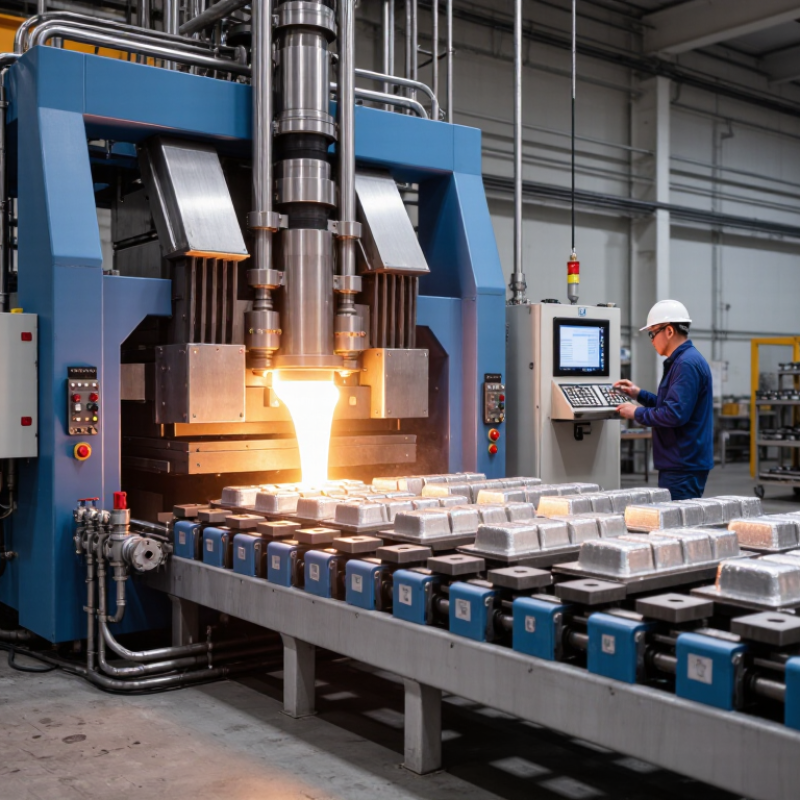
A tin bar casting machine is industrial equipment designed to produce solid tin bars with controlled dimensions. It melts tin at a monitored temperature and transfers the liquid metal into prepared molds. The bars then cool through air, water, or controlled cooling systems. This process creates repeatable shapes for storage, transport, and later industrial use.
Its role extends beyond simple forming. Accurate temperature control helps reduce surface cracks, shrinkage, and uneven solidification. A stable mold supports consistent bar length and weight. Cutting systems can divide continuous cast material into measured sections. Operators also monitor pouring speed, cooling time, and mold condition during production. Small errors spread. A slightly oversized bar can affect packaging, inventory, and downstream melting calculations.
In practical plant evaluations, I look for steady output rather than impressive speed alone. Reliable manufacturers should provide test records, maintenance guidance, and operator training. Energy consumption also matters, especially during long production shifts. Easy access to heating elements and molds can shorten maintenance work. No machine performs perfectly. Dust, temperature changes, and worn components still influence results. That limitation deserves honest attention. A careful buyer should compare casting accuracy, safety features, service support, and real operating data before selecting equipment.
Key Technologies Used in Tin Bar Casting
Tin bar casting machines rely on several technologies to produce stable dimensions, clean surfaces, and consistent alloy quality. Induction heating offers fast, even melting with accurate temperature control. Electric resistance heating remains useful for smaller systems and steady production. A programmable control system adjusts heat, casting speed, and cooling conditions in real time.
Continuous casting uses water-cooled molds to shape molten tin into bars. The cooling rate matters. Excessive cooling can create surface stress, while insufficient cooling may cause deformation. Modern machines use thermocouples, infrared sensors, and automatic feedback to maintain a narrow temperature range. Filtration systems can remove oxides and unwanted particles before the metal enters the mold. In practice, small contamination often causes visible defects.
Tips: Check mold alignment before each shift. Keep cooling water clean and stable. Record temperature changes, casting speed, and defect patterns. These records help technicians identify repeated problems instead of guessing.
Experienced operators also inspect bar surfaces under strong lighting. They look for cracks, ripples, dull patches, and uneven edges. Servo-driven withdrawal systems can improve length accuracy, but mechanical wear still affects performance. No setting is perfect. A machine may perform well today and drift tomorrow because of sensor aging, mold wear, or unstable feed material. Regular calibration and sample testing remain essential. One overlooked detail can weaken an otherwise reliable casting process.
Top 10 Tin Bar Casting Machine Manufacturers Worldwide — Key Technologies Used in Tin Bar Casting
Representative thermal control ranges used in non-brand-specific tin bar casting systems.
Tin melts at approximately 231.93°C. Casting machines typically combine controlled melting, temperature monitoring, preheated molds, continuous cooling, and exit-temperature inspection. The ranges shown are representative engineering values; actual settings vary with tin purity, bar dimensions, casting speed, mold design, and cooling configuration.
Criteria for Evaluating Global Manufacturers
Evaluating global tin bar casting machine manufacturers requires more than comparing quoted prices. The USGS Mineral Commodity Summaries 2025 estimated 2024 global tin mine production at about 290,000 metric tons. This limited resource base makes metal recovery, stable yield, and process control important purchasing criteria. Ask for measured recovery data, not general claims.
A capable manufacturer should provide verified output rates, casting temperature records, cooling performance, and bar dimensional tolerances. Request factory acceptance testing with your alloy, mold size, and target throughput. ISO 9001 certification can support process discipline, but it does not guarantee casting quality. Independent audits, traceable inspection records, and documented corrective actions offer stronger evidence. Look closely at electrical consumption per ton.
The International Tin Association continues to identify solder and electronics as major tin-use sectors, where purity and consistency can affect downstream performance. A reliable supplier should explain impurity control, sampling frequency, and laboratory methods. Service capacity matters too. Check spare-part availability, remote diagnostics, technician response times, and training quality. Speak with operating users, preferably from similar production environments.
A glossy brochure proves little. Sometimes, a smaller supplier gives better technical attention, but its service network may be thin. That trade-off deserves honest scoring. Compare total ownership cost over five years, including energy, molds, downtime, maintenance, and rejected bars. Require references you can verify. Insist on realistic guarantees. Forecasts can be wrong. Test the assumptions before signing.
Profiles of the Top 10 Tin Bar Casting Machine Manufacturers
Top 10 Tin Bar Casting Machine Manufacturers Worldwide
These ten manufacturers represent different strengths in tin bar casting equipment. Their profiles are based on casting experience, engineering depth, service quality, and documented machine performance. Some specialize in compact systems for small foundries. Others build automated lines with heated launders, controlled molds, and mechanical bar extraction. The strongest suppliers explain metal flow clearly. They also provide production data instead of vague promises.
One profile stands out for modular machine design, allowing easier maintenance and future upgrades. Another focuses on temperature stability, using insulated channels and responsive heating controls. A third manufacturer serves high-volume operations with continuous casting systems and automated cutting. Several companies emphasize mold durability, because repeated thermal cycling can create cracks and uneven bar surfaces. Some offer custom layouts for limited factory space. That practical detail matters. Not every buyer needs the largest machine.
The remaining profiles highlight testing, operator training, and after-sales support. Experienced manufacturers usually inspect alloy behavior before finalizing mold dimensions. Reliable teams also record casting speed, cooling time, bar weight, and rejection rates during trials. Certification and factory references strengthen their authority, but paperwork alone cannot prove daily reliability. A few suppliers still provide limited information about long-term maintenance costs. Buyers should question that gap. Even a well-built machine may underperform when installation training is rushed, spare parts arrive slowly, or operators receive unclear instructions.
Industry Applications, Trends, and Selection Considerations
Top 10 Tin Bar Casting Machine Manufacturers Worldwide
Tin bar casting supports solder production, alloy manufacturing, chemical processing, and metal recycling. The International Tin Association reports that solder consumes roughly half of global tin demand. This share keeps casting consistency commercially important.
The US Geological Survey estimated global tin mine production at about 290,000 metric tons in 2023. Supply remains concentrated, so manufacturers increasingly monitor yield, scrap rates, and energy use. A casting line with stable temperature control can reduce surface defects and uneven bar dimensions. Small errors become expensive during high-volume production.
Current equipment trends include automated pouring, enclosed cooling systems, digital temperature monitoring, and faster mold changes. Industry 4.0 features also help operators record batch data and trace defects. Selection should match alloy chemistry, bar weight, cooling speed, and expected output. Check maintenance access, spare-part availability, and operator training requirements.
Numbers can mislead.
A higher rated output does not always mean better performance. Actual productivity depends on melt cleanliness, mold design, and working discipline. Buyers should request witnessed trials using their own tin alloy and target dimensions. They should also compare energy consumption per tonne, not only the purchase price. This practical test is often overlooked.