How to Choose the Right Gas Pressure Regulator for Your Needs?
Choosing the right gas pressure regulator is crucial for ensuring safety and efficiency. A gas pressure regulator controls the flow and pressure of gas in various applications. It is essential for home heating systems, industrial burners, and even barbecue grills.
When selecting a gas pressure regulator, consider the type of gas you are using, such as natural gas or propane. Each type has its own specifications. Make sure to evaluate the pressure requirement for your equipment. Easy-to-use regulators are available, but not all are created equal. Some may not provide consistent pressure, leading to inefficiency.
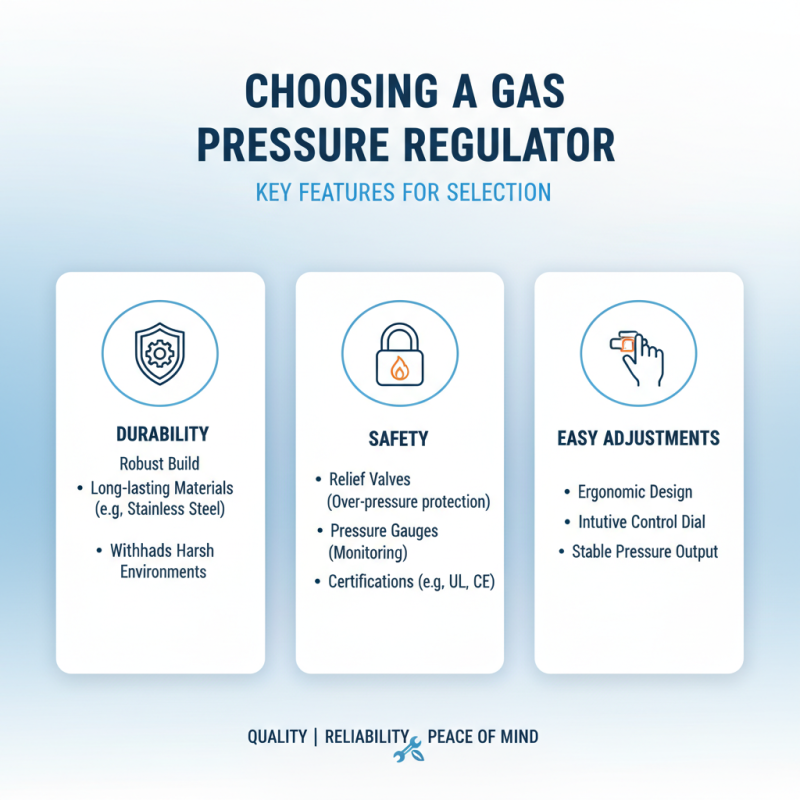
It is also important to consider the regulator's build quality. Some cheap models may fail or leak, posing risks. Read reviews and seek recommendations to make a better choice. Regulator selection can seem daunting, but taking time to analyze your needs will lead to more effective decisions.
Understanding the Purpose of a Gas Pressure Regulator
When it comes to gas pressure regulators, understanding their purpose is crucial. A gas pressure regulator controls the flow and pressure of gas in various applications. This ensures safe operation in household appliances, industrial machinery, and vehicles. But how exactly does it achieve this?
Gas pressure regulators work by reducing high inlet pressure to a safer, usable level. They maintain a constant output pressure, even when the input pressure fluctuates. This is essential for devices that require specific pressure levels to function properly. For instance, a stove needs consistent gas pressure for even cooking. If the pressure is too high, it can lead to unsafe conditions. If it's too low, the appliance may not work effectively.
Choosing the right regulator can be challenging. You need to consider several factors, such as the type of gas, required pressure level, and flow rate. Sometimes, a regulator might not perform as expected. You might find it struggles under high demand, leading to performance issues. It's important to reflect on these aspects to ensure safety and efficiency in your setup.
Types of Gas Pressure Regulators and Their Applications
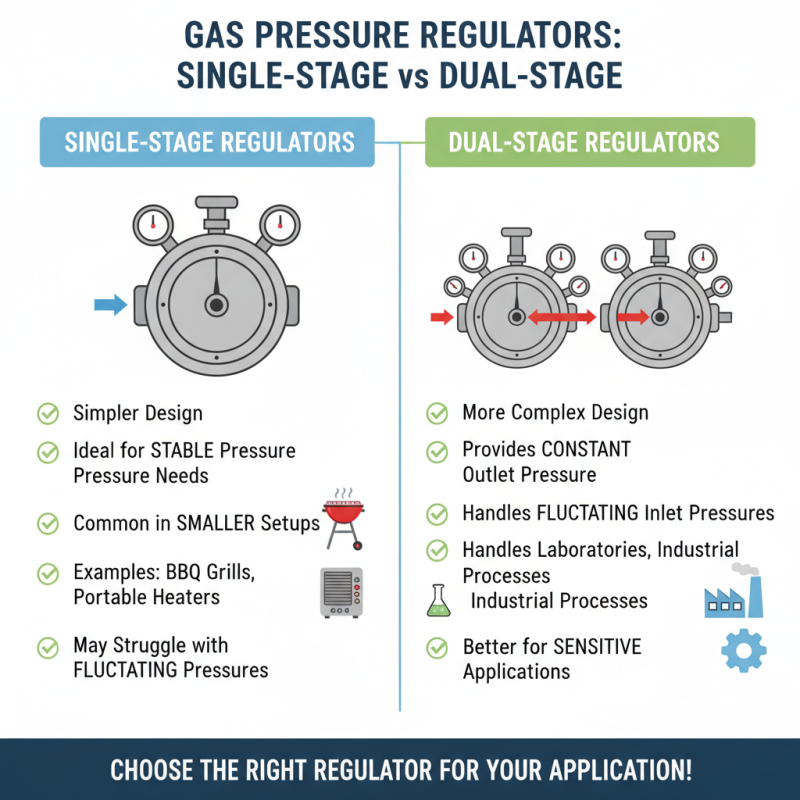
When choosing a gas pressure regulator, understanding the different types is crucial. There are two main categories: single-stage and dual-stage regulators. Single-stage regulators are simpler and ideal for applications with stable pressure needs. They are often used in smaller setups, such as barbecue grills or portable heaters. However, they might struggle with fluctuating pressures over time.
On the other hand, dual-stage regulators provide better control. They handle changes in inlet pressure more effectively. This type is commonly used in larger systems, like industrial applications. Their design makes them suitable for environments where gas supply pressure can vary significantly. A potential downside is their increased complexity. Users must ensure proper installation and maintenance. Sometimes, users may overlook this, leading to inefficient performance.
In addition to these, there are specialty regulators. These are tailored for specific gases, like propane or natural gas. Each type meets unique demands. Choosing the wrong type can lead to safety risks or operational inefficiencies. Users must reflect on their specific requirements before deciding. It's a path that requires careful consideration and understanding.
Factors to Consider When Selecting a Gas Pressure Regulator
Choosing the right gas pressure regulator can be challenging. Several factors need careful consideration. First, determine the type of gas you are using. Different gases require different regulators. For example, propane and natural gas have distinct characteristics. You must choose a regulator specifically designed for your gas type.
Secondly, consider the pressure requirements of your application. Check the maximum inlet pressure. This helps ensure your system operates safely. The outlet pressure is just as critical. It needs to match your equipment's specifications.
Another essential factor is flow rate. Evaluate how much gas your system needs. Insufficient flow can cause performance issues. Make sure the regulator can handle peak demands. Sometimes, it’s easy to overlook these specifics. Many choose based on appearance or price alone. This can lead to significant problems down the line. It’s wise to reflect on your choices to avoid future complications.
Installation and Maintenance Tips for Gas Pressure Regulators
Installing a gas pressure regulator requires careful attention. Ensure you start with the right tools. Read the manufacturer's guidelines. Location matters; choose a dry, well-ventilated area. This helps prevent rust and corrosion. Make sure the regulator is aligned correctly. Misalignment can lead to leaks.
Regular maintenance is essential for longevity. Check for any signs of wear or damage. Inspect the seals and connections. They should be tight and free of debris. Clean the regulator periodically. Use a soft cloth to remove dust. However, avoid harsh chemicals that could cause damage.
Monitoring performance is equally important. If you notice irregular pressure readings, investigate immediately. A minor issue could turn into a major problem. Remember, safety is key. Don't ignore unusual sounds or smells. This may indicate a malfunction. Regular checks can prevent accidents and ensure smooth operation.
How to Choose the Right Gas Pressure Regulator for Your Needs? - Installation and Maintenance Tips for Gas Pressure Regulators
| Feature |
Description |
Considerations |
| Type of Gas |
Natural gas, propane, or other types. |
Ensure the regulator is compatible with the gas type used. |
| Pressure Settings |
Input and output pressure ratings. |
Understand your system's pressure requirements. |
| Flow Rate |
Measured in BTU/hr or cubic feet per hour. |
Determine the required flow rate for your appliances. |
| Material |
Aluminum, brass, or stainless steel. |
Choose materials that suit your installation environment. |
| Size and Weight |
Physical dimensions and weight of the regulator. |
Ensure it fits in the intended installation space. |
| Safety Features |
Over-pressure protection and locking mechanisms. |
Consider additional safety features for peace of mind. |
| Installation Requirements |
Specific tools and skills needed for installation. |
Assess if professional installation is necessary. |
| Maintenance |
Regular checks and servicing intervals. |
Establish a maintenance schedule to ensure longevity. |